
What is a LERO?
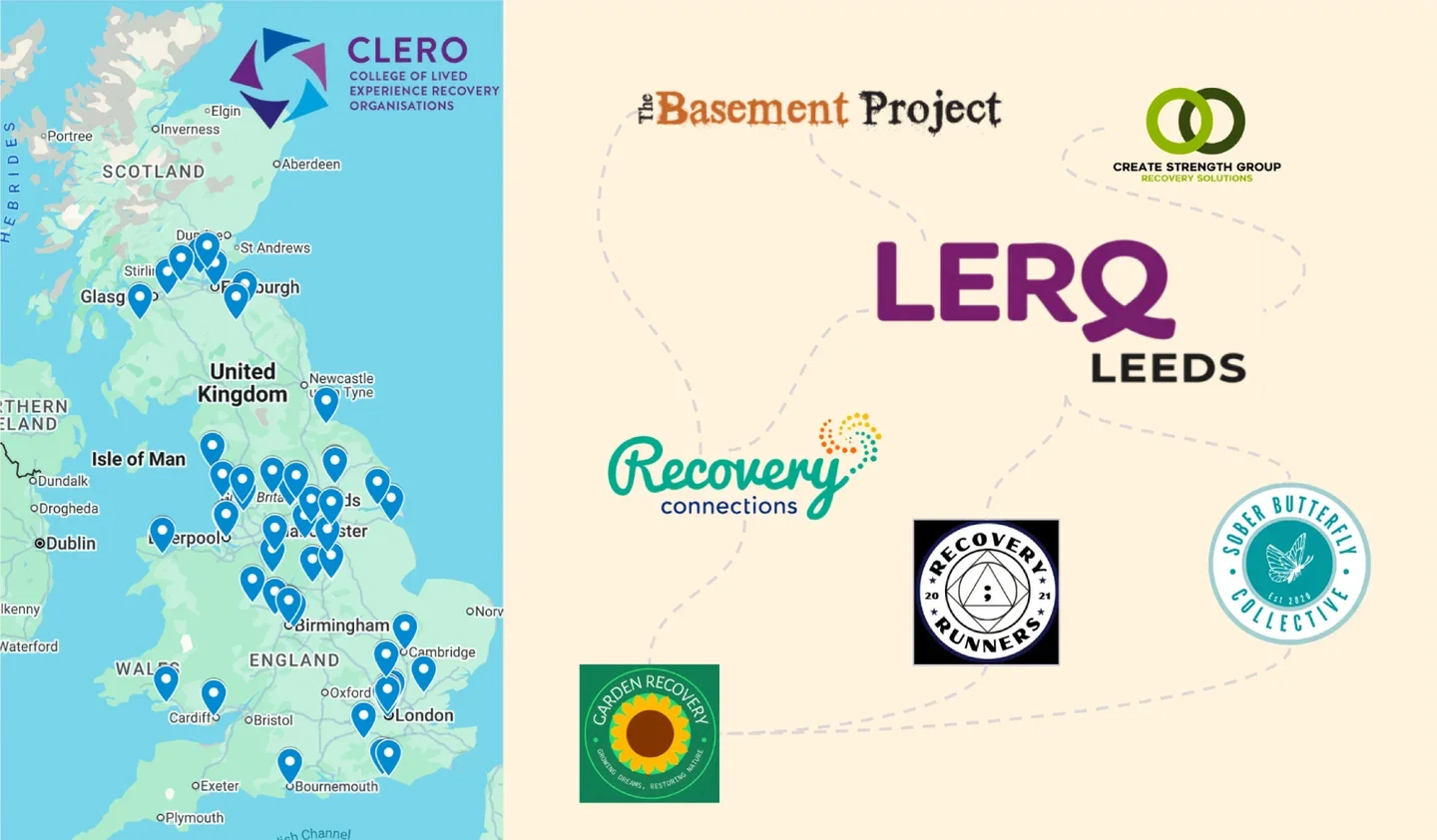
LEROs are recognised by UK Government as community projects led by recovering addicts providing peer support. There are at least 50 LEROs in the UK, typically focussed on community development, environmentalism and peer support. Getting Clean’s mission is based on supporting LEROs to show that recovery is possible and addicts are human beings with the greatest of potential.
UK Gov Guidance: “It is hard to imagine an effective recovery-oriented system of care without any peer-led services and supports… a LERO is an organisation led by people with lived experience of drug and alcohol recovery. LEROs deliver a range of harm reduction interventions, peer support and recovery support services and they can help people to access and engage in treatment and other support services.”
Our Theory of Change
Generally, the support/rehabilitation services available to vulnerable addicts are fragmented and riddled with obstacles caused by a cultural misunderstanding of addiction. There is still a lot of stigma and misunderstanding of addiction issues. The underlying causes are complex and alien to those without lived experience of addiction. 2 out of 3 Employers say that they wouldn’t employ a former heroin or crack cocaine addict (UK Drug Policy Commission). We want to change that statistic by challenging societal attitudes and combatting stigma.
The root causes we want to change are stigma and structural exclusion faced by people in recovery. These forces contribute directly to poverty and disadvantage by limiting access to employment, community participation, and decision-making. Addiction is often treated as a personal failing rather than a response to trauma, inequality and lack of belonging. This leads to systems that focus on crisis management rather than building long-term recovery, and to policies and services that are designed without the involvement of those most affected. The result is a cycle where people in recovery are kept at the margins, even when they are willing and able to contribute. The typical life cycle of an addict entails the roughly repeat sequence of: Perceived rejection > drug use > addiction phase > perceived rejection > crime/alienation > institutionalisation/death.
Unemployment and alienation are major factors in this cycle. We have a plan to change this by integrating the recovery community with mainstream society and leading by example to show that recovering addicts can be valuable members of society and powerful leaders.
We want to make lasting change to how society understands addiction and recovery, how employers and public bodies view people in recovery, and how decisions about support and policy are made. Our long-term aim is for recovery communities to be recognised as leaders in shaping local environments, public services and employment pathways, rather than only as recipients of support. We want to help establish a system where peer-led recovery is valued, where lived experience is seen as an asset, and where people in recovery have clear and fair access to meaningful employment. Our Theory of Change is built on the belief that long-term recovery and systemic change are only possible when people with lived experience of addiction are placed in positions of responsibility, not dependency. Rather than viewing individuals in recovery as passive service users, we actively empower them through paid employment, decision-making roles, and opportunities for leadership within our operations. This approach challenges stigma, builds self-worth, and directly addresses the structural exclusion that many in recovery face.
We want to see a future where addiction recovery is not treated as a stand-alone “health issue” but as a broader social reintegration process - one that includes employment, community inclusion, and economic independence. That means:
Shifting public and employer perceptions of people in recovery, so they are seen as capable contributors rather than risks.
Embedding creative, skills-based recovery programmes into local support systems as a recognised part of long-term recovery.
Creating accessible, trauma-informed enterprise pathways that give people in recovery the tools, confidence and networks they need to participate in the economy.
Our long-term ambition is to contribute to a national model where enterprise-led recovery is recognised, funded and embedded into health, housing and employment systems - and where those with lived experience are central to shaping services.